5 min read · 29 January 2026
Sound Healing for Stress & Sleep: How Many Sessions Are Needed?
How many sound healing sessions do you need for stress relief and better sleep? Learn timelines, frequency, and what to expect for real results.
If you’re dealing with stress that won’t switch off, or sleep that feels light, broken, or unreliable, you’ve probably searched for solutions that don’t involve pushing harder. That’s where sound healing often enters the picture. It feels gentle, non-invasive, and surprisingly effective for many people, especially when stress is the real reason sleep has become difficult.
But one question comes up almost immediately: How many sound healing sessions are needed for stress and sleep? The honest answer is “it depends,” yet that doesn’t help when you’re deciding whether to book one session, commit to a package, or build a weekly routine. This guide breaks down what most people can realistically expect, how to choose a session frequency, and how to know whether it’s working for you.
First, what counts as “sound healing”?
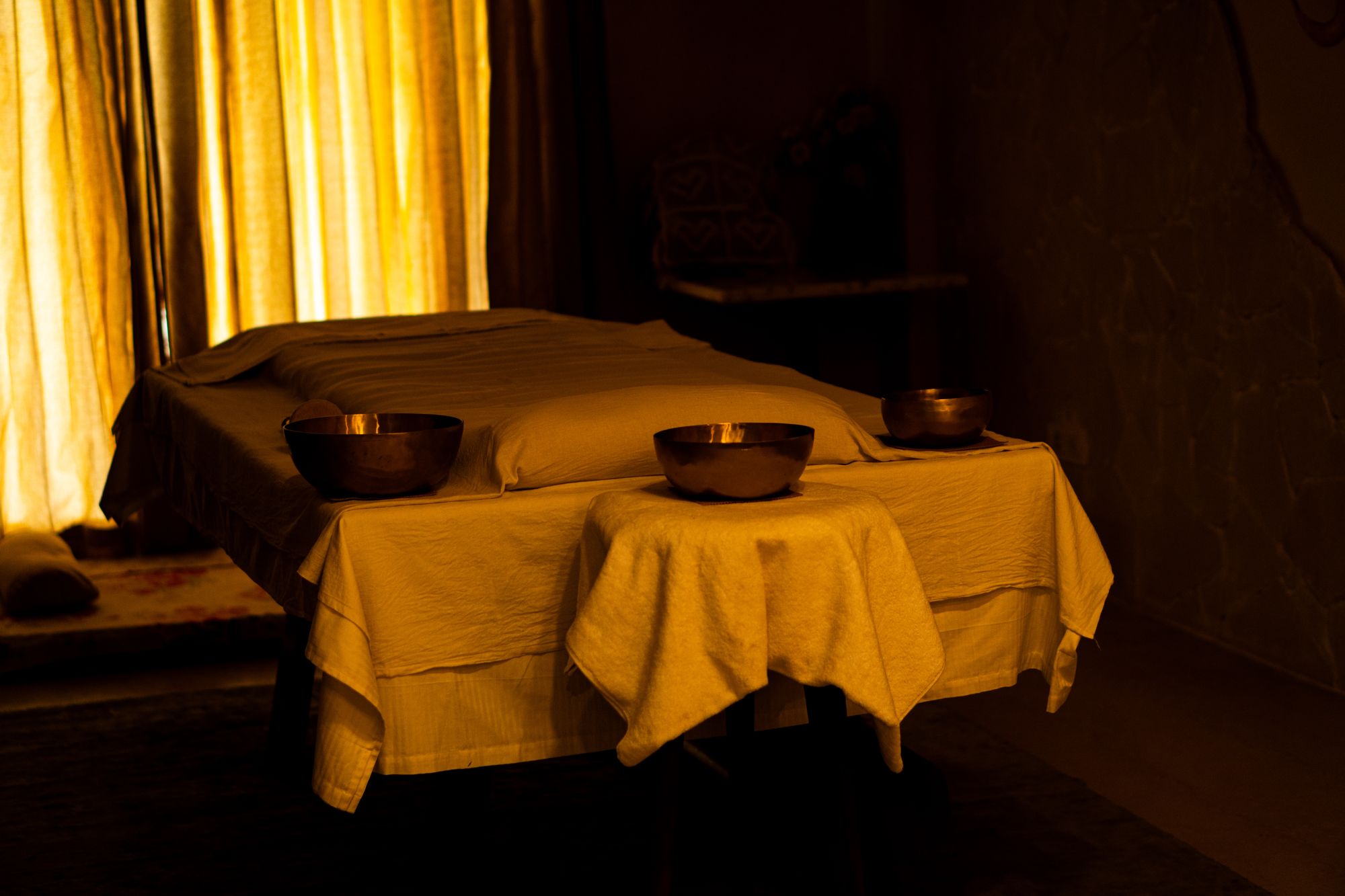
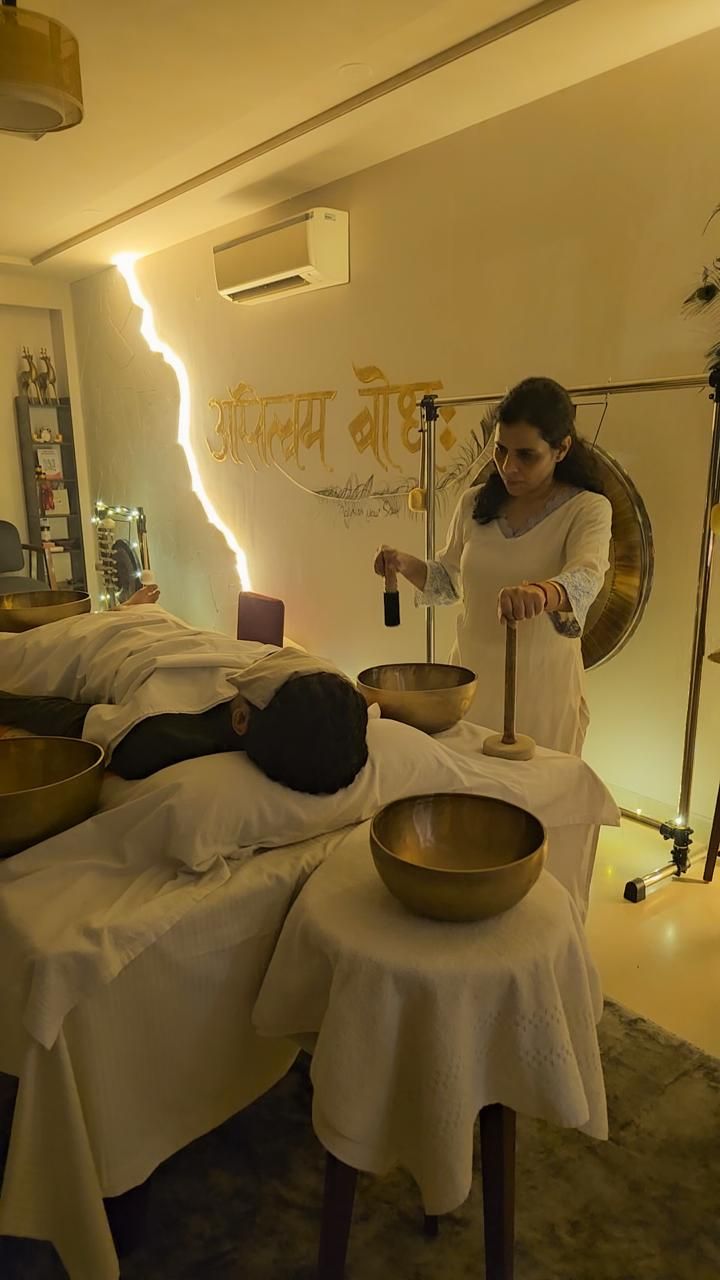
Sound healing is an umbrella term for wellness practices that use intentional sound and vibration to support relaxation and emotional regulation. You might experience it through a sound bath, Tibetan singing bowls, crystal bowls, gongs, tuning forks, vocal toning, or guided meditation with sound.
For stress and sleep, the most common formats are group sound baths and 1:1 singing bowl sessions. The goal isn’t to “fix” you in one go, it’s to help your system downshift from chronic activation into rest, which is where sleep becomes more natural.
Why sound healing can support stress and sleep
When stress stays high, your body can remain stuck in a state of alertness even after the day ends. That can show up as racing thoughts at bedtime, shallow sleep, waking around 3 a.m., or feeling tired despite 7–8 hours in bed.
A well-guided sound healing session may help by:
- Giving your attention a steady anchor (less mental noise)
- Encouraging slower breathing and physical stillness
- Supporting a relaxation response that makes sleep easier later
These effects aren’t guaranteed, and sound healing isn’t a substitute for medical care. Still, for many people, it becomes a practical tool in a larger stress-management and sleep-support plan.
So… how many sessions do you need?
Think of sound healing like going to the gym for your nervous system. One session can feel great, but lasting change usually comes from repetition. Most people fall into one of three timelines, depending on their stress load, sleep disruption, and consistency.
Timeline 1: “I need relief now”: session
If you’re curious and want a reset, one session can be worthwhile. Many first-timers report feeling calmer the same day, and some sleep more deeply that night, especially if stress has been building for weeks.
A single session is most useful when:
- Your stress is situational (deadlines, travel, family event)
- Your sleep is off for a short period
- You want to test whether sound healing feels supportive for you
If you do just one session, treat it like a data point. Notice how you feel 2–3 hours later, that night, and the next morning.
Timeline 2: “I want a noticeable shift”: to sessions
For many people, 4–6 sessions spread over 4–8 weeks is the sweet spot for meaningful change. This is often when the benefits move from “I felt relaxed in the session” to “I’m coping better during the week.”
A short series helps because your body starts recognizing the experience as familiar and safe. Instead of taking half the session to unwind, you may settle faster, which can make the relaxation deeper.
A practical schedule to try:
- 1 session per week for 4–6 weeks
- Reassess sleep quality and stress levels after week
Timeline 3: “My stress and sleep issues feel chronic”: to sessions
If you’ve been dealing with insomnia, anxiety, or burnout-like symptoms for months, you may need a longer runway. An 8–10 session plan (weekly or once every 10 days) gives your nervous system repeated cues to downshift, which can gradually influence sleep continuity and emotional resilience.
This timeframe is also realistic if:
- You wake frequently or too early most nights
- Your mind stays “on” even when you’re exhausted
- You use screens late, travel often, or have an irregular schedule
If you’re investing in a longer series, choose a facilitator or studio you trust. Consistency with the same style of session often matters more than chasing variety.
Maintenance: how often to continue after you improve
Once sleep stabilizes and stress feels more manageable, many people move to maintenance. The goal here is prevention, staying regulated enough that sleep doesn’t unravel again.
Common maintenance rhythms include:
- Twice a month for ongoing stress support
- Monthly sessions as a reset (especially during busy seasons)
- Weekly sessions if you thrive on structure and deep rest
There’s no prize for doing more than you need. Let your results guide you.
What affects how quickly sound healing works?
Two people can attend the same sound bath and have completely different outcomes. That doesn’t mean one “did it wrong”. It usually comes down to context.
A few factors that influence how many sound healing sessions you may need:
- Your baseline stress level and how long it’s been high
- Caffeine, alcohol, and late-night screen habits (these can overpower any relaxation practice)
- How safe your body feels in stillness (common after long periods of chronic stress)
- Group sessions versus 1:1 sessions (1:1 can feel more targeted)
- The facilitator’s pacing and volume control (especially with gongs)
If you’re doing everything “right” but sleep isn’t improving, it doesn’t mean sound healing failed. It may mean another support layer is needed.
How to tell if it’s working (without overthinking it)
Track a few simple signals for 4–6 weeks. Keep it light, no complicated journaling required.
Look for changes like:
- Falling asleep faster by 10–20 minutes
- Waking up fewer times during the night
- Feeling less reactive during the day
- Needing less “revenge bedtime” scrolling
- Recovering faster after stressful moments
Stress relief and sleep improvement often show up as small, cumulative wins, not a dramatic overnight transformation.
How to get more benefit from each session
You can increase the impact of sound healing with a few supportive choices. None of these need perfection, just consistency.
Try these:
- Avoid heavy meals 2–3 hours before your session.
- Hydrate before and after; deep relaxation can leave you feeling “floaty.”
- Keep the night after your session as low-stimulation as possible.
- If you’re sensitive to sound, sit farther from instruments or use earplugs.
Also, don’t judge the session by whether you stayed awake. If you drift off, your body may simply be taking the rest it’s been missing.
When to seek additional support
Sound healing can be a valuable wellness tool, but persistent sleep disruption can also be a medical or mental health issue. If insomnia lasts more than a few weeks, or you’re experiencing panic, depression, or severe anxiety, consider speaking with a qualified professional.
You can still use sound healing alongside therapy, sleep coaching, or medical guidance, many people find the combination more effective than relying on one approach alone.
The bottom line
For stress relief and sleep support, most people benefit from starting with 1 session to explore, then committing to 4–6 sessions to feel a clear shift. If your stress or sleep issues are long-standing, a series of 8–10 sessions is a realistic, supportive plan, followed by monthly or twice-monthly maintenance.
The most important piece is consistency. Sound healing works best when it becomes a rhythm your nervous system can rely on, not a one-time rescue.